

Ethical Clothing for Busy Moms: 7 Brands That Give Back
Table of Contents
- Why Ethical Clothing Matters for Busy Moms
- Quick Comparison: Ethical Clothing Options
- Building a Sustainable Capsule Wardrobe for Moms
- How to Build a Sustainable Wardrobe on a Budget
- Ethical Fashion Brands That Give Back: What Sets Them Apart
- Spotting Greenwashing: How to Verify Real Ethical Claims
- Making the Switch: Practical Tips for Busy Moms
- Frequently Asked Questions
Last Updated: September 23, 2026
Choosing ethical clothing brands busy moms can trust doesn't have to add complexity to your life. This guide breaks down how to build a wardrobe that reflects what matters to you: quality, durability, and knowing your purchases support real change.
The real challenge is finding ethical options that actually work for your life: clothes that survive stains, fit postpartum changes, allow nursing access, and don't demand special care.
Why Ethical Clothing Matters for Busy Moms
When you buy from ethical clothing brands for busy moms, you're supporting fair wages, safe working conditions, and environmental responsibility, and teaching your children what values look like in action.
Ethical brands prioritize durability and timeless design, meaning fewer replacements and a wardrobe that lasts through multiple kids. Natural fibers like organic cotton breathe better for nursing and postpartum comfort. Better construction follows because ethical brands aren't cutting corners on labor.
The real benefit isn't feeling superior about your purchases, it's buying once, wearing it for years, and knowing your money went somewhere that matters. That's less shopping, less decision fatigue, and less waste.
Quick Comparison: Ethical Clothing Options
| Brand Type | Price Range | Best For | Key Feature |
|---|---|---|---|
| Purpose-Driven (like Mom on Mission) | $29-$35 per item | Moms who want impact with every purchase | Profits support foster youth and families |
| Sustainable Basics | $25-$50 per item | Building a capsule wardrobe | Organic cotton, minimal waste |
| Fair Trade Certified | $40-$80 per item | Maximum transparency | Third-party verification of labor practices |
| Resale & Secondhand | $5-$25 per item | Budget-conscious ethical shopping | Extends garment life, circular economy |
Building a Sustainable Capsule Wardrobe for Moms
A capsule wardrobe is 20-30 pieces that mix and match across seasons. For busy moms, this cuts decision-making time in half and ensures everything you own actually gets worn.
Start with neutral basics in white, cream, black, navy, and gray. Fabric matters most: choose machine-washable blends that handle spit-up, food stains, and frequent washing without fading. Airlume combed cotton offers softness and durability.
Look for side-seamed construction, double-stitched seams, and reinforced stress points that prevent premature wear and extend garment life.
Choose boxy or relaxed fits that accommodate changing body shapes. Layering pieces like cardigans work double duty for nursing access and polished looks.
The capsule approach works well for ethical brands because quality pieces justify higher prices. One well-made tee worn 100 times costs less per wear than a cheap shirt worn 10 times. Add 2-3 statement pieces that reflect your values while meeting durability standards.
How to Build a Sustainable Wardrobe on a Budget
Budget and ethics don't have to conflict. The key is shifting from "cheap" to "cost-per-wear" and leveraging the circular economy to extend your budget and reduce shopping time. A $30 tee you wear 150 times costs 20 cents per wear. A $10 shirt that falls apart after 15 washes costs 67 cents per wear. When you frame it that way, ethical pricing makes sense, and so does buying secondhand.
Start by buying fewer pieces at once. Instead of filling your cart with five cheap items, invest in two quality pieces each month. This spreads cost across your budget and keeps you intentional. But for busy moms, the real budget breakthrough comes from embracing resale and trade-in programs designed specifically for family wardrobes.
Resale platforms extend your budget in two ways: lower price and circular economy impact. Gently used pieces from ethical brands or deadstock from overstock situations cost 30-60% less than retail while keeping garments in use longer.
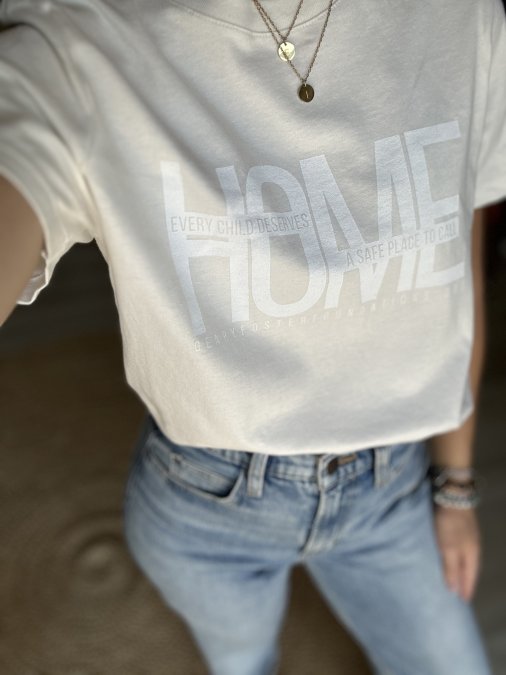
Many ethical brands offer basics at accessible price points. The Hope KGKG | Boxy Tee at $29.99 carries a meaningful message while using 100% Airlume combed cotton, the same quality as luxury basics costing twice as much. Seasonal sales exist even in the ethical space; many brands discount older prints when new collections launch. Set up email alerts from 2-3 brands you trust so you catch sales without spending time hunting.

Another budget strategy: buy timeless pieces, not trends. A white boxy tee never goes out of style. Floral prints cycle in and out, but a classic white cotton shirt works forever. This approach naturally supports sustainable consumption because you're not chasing fast fashion trends that require constant replacement. It also makes resale easier, timeless pieces sell faster on secondhand platforms than trendy items that may already be out of favor.
HOME | Boxy Tee (Bella+Canvas) →
For the tightest budgets, consider clothing swaps within your community. Many neighborhoods have Facebook groups or local meetups where mothers exchange outgrown or unworn pieces. This costs nothing, requires minimal time (one meetup instead of multiple online transactions), and builds community. You're also more likely to find pieces that actually fit your body and lifestyle because you're trading with people in similar life stages.
Ethical Fashion Brands That Give Back: What Sets Them Apart
What separates genuine ethical brands from greenwashing is transparency and measurable impact.
Purpose-driven brands take this further by supporting specific causes. Mom on Mission exemplifies this model: ten percent of profits go directly to the Geary Foster Foundations to support foster youth in Texas. This isn't a vague "we care about the community" statement, it's a concrete commitment you can track. When you buy the HOME | Floral Print Boxy Tee at $29.99, you know exactly what portion supports that mission.

The best ethical brands also prioritize functional design for real life. They use machine-washable fabrics and design for postpartum bodies, not just aspirational bodies. They understand that sustainable fashion for mothers means clothes that survive the chaos, not pieces that require careful handling.
Spotting Greenwashing: How to Verify Real Ethical Claims
Greenwashing is everywhere: brands using green packaging, vague sustainability language, or unverified certifications to seem ethical without changing their practices. As a busy mom, you don't have time to investigate every claim, so here's what actually matters.
First, look for third-party certifications from recognized organizations. If a brand claims ethical practices but has no certifications, ask why. Legitimate brands can usually point to at least one verified standard.
Second, check for supply chain transparency. If a website says "ethically sourced" without specifying where or how, that's a red flag.
Third, watch for vague language. Words like "sustainable," "eco-friendly," and "natural" mean almost nothing without specifics. Does "sustainable" mean using organic cotton, reducing water waste, or paying fair wages? All three? None? Ask the brand directly, their answer tells you a lot.
Finally, look at pricing. Truly ethical production costs more.
Making the Switch: Practical Tips for Busy Moms
You don't need to throw out your closet and start over. Ethical clothing brands busy moms can adopt work best as a gradual shift. Start by replacing items as they wear out, not all at once. When you need a new everyday tee, choose one made from organic cotton with transparent labor practices. When jeans rip, invest in a pair from a brand you trust.
Frequently Asked Questions
What makes a clothing brand truly ethical?
A genuinely ethical brand prioritizes fair wages and safe working conditions for its workers, uses sustainable materials like organic cotton or recycled fibers, and maintains supply chain transparency so you can trace where your clothes are made. Many also commit to environmental responsibility by reducing waste and carbon footprint. Ethical brands often go further by supporting charitable causes, like Mom on Mission, which donates 10% of profits to support foster youth. Look for certifications, detailed sourcing information, and a clear mission statement rather than vague sustainability claims.
How can I build a sustainable capsule wardrobe on a budget?
Start by investing in high-quality basics in neutral colors that work across multiple outfits, think soft cotton tees like the HOME Boxy Tee at $29.99 that pair with everything. Choose natural fibers like organic cotton that last longer and reduce replacement costs. Buy fewer, better pieces rather than fast fashion quantity. Mix timeless staples with one or two seasonal items. Quality basics from ethical brands often cost less over time because they're durable and don't need replacing every season. Focus on versatility: each piece should work with at least three other items in your closet.
How do I know if a brand is actually giving back or just greenwashing?
Request specifics: What percentage of profits goes to charity? Which organization receives the funds? How is impact measured? Legitimate brands like Mom on Mission clearly state that 10% of profits support the Geary Foster Foundations and provide transparency about the partnership. Check for third-party certifications (Fair Trade, B Corp, or similar). Visit their website for detailed sourcing and manufacturing information. If a brand uses vague language like 'committed to sustainability' without concrete details, that's a red flag. Real impact comes with documented proof, not just marketing language.
Are affordable ethical clothing options really available for busy moms?
Yes. Ethical doesn't mean expensive, especially when you focus on basics. Mom on Mission offers quality Airlume cotton tees at $29.99 each and infant onesies at $19.99, comparable to mainstream retailers but with verified ethical production and charitable impact. The key is buying fewer pieces that last longer, which reduces your overall spending. Investing in durable, versatile basics saves money because you're not constantly replacing worn-out fast fashion. One well-made tee you wear 100 times costs less per wear than five cheap tees you wear 20 times each before they fade or fall apart.