

Ethical Clothing Support for Foster Youth
Table of Contents
- Why Ethical Clothing Choices Matter for Foster Youth
- The Dignity of Choice: How Clothing Impacts Foster Youth Confidence
- Foster Closet Donation Guidelines That Actually Help
- How to Support Foster Youth Through Intentional Purchasing
- Philanthropic Partnerships: Brands Making Real Impact
- Building Sustainable Support Systems for Independence
- Your Role in Community Care
- Frequently Asked Questions
Last Updated: September 25, 2026
Why Ethical Clothing Choices Matter for Foster Youth
Support through ethical clothing foster youth receive signals that someone cares enough to choose well for them, recognizing that what we wear shapes how we see ourselves.
Foster youth often move between placements with minimal possessions, hand-me-downs that don't fit, colors that feel wrong, fabrics that itch. These details send a message that their comfort and dignity don't matter. Intentional clothing choices reverse that narrative.
Research shows that clothing and self-esteem are directly connected, especially during adolescence when identity formation is critical. For young people in the foster system, who often struggle with belonging and stability, having clothing that fits well and reflects their personality becomes a tangible form of support.
This is where brands like Mom on Mission step in. By dedicating ten percent of profits to Geary Foster Foundations, the brand connects everyday purchases to real support for foster youth in North Texas. Every shirt sold becomes part of a larger commitment to dignity, choice, and belonging.
The Dignity of Choice: How Clothing Impacts Foster Youth Confidence
For foster youth with little control over major life decisions, the ability to choose what they wear is a fundamental form of autonomy that matters deeply.
When a young person selects clothing that reflects who they are, confidence follows. A teen who picks a meaningful graphic tee like the Every Child Deserves A Safe Place To Call Home | Comfort Colors ($29.99) wears a statement about their values and their place in a community that sees them.

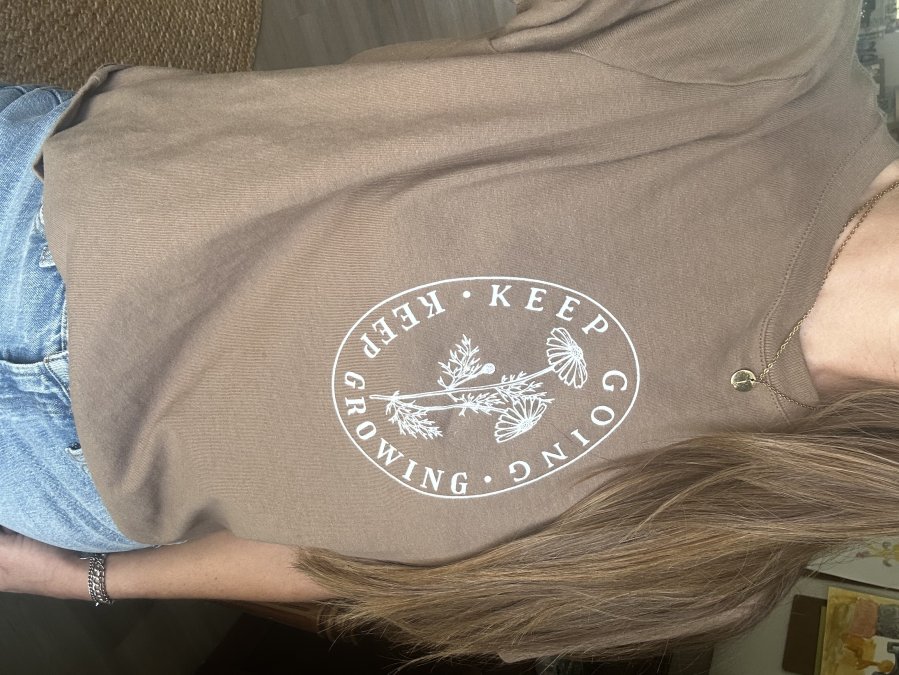
Quality clothing removes daily stress. Foster youth navigate enough uncertainty without worrying whether their shirt will ride up or their jeans will slip down. Quality construction like double-needle stitching means clothing that lasts through multiple washes.
Clothing becomes one of the few ways foster youth can express themselves without permission during adolescence, when identity formation is critical and placements may have disrupted that exploration.
Wearing a shirt that says "Every Child Deserves A Safe Place To Call Home" connects foster youth to a movement of people who believe in their dignity, transforming clothing into solidarity.
Foster Closet Donation Guidelines That Actually Help
Not all donations help. Worn-out clothing, stains, missing buttons, and stretched fabrics send an unintended message that foster youth deserve less. Most donors lack clear standards for what "dignified" means in practice.
Quality Standards for Dignified Donations
Fabric and Construction: Seams intact, hems secure, zippers and buttons functional, no pilling or holes, elastic maintains shape, no stains or heavy wear.
Fit and Sizing: Items fit labeled size, length is appropriate, sleeves reach wrist bone, necklines sit properly.
What to Donate Instead of Clearing Your Closet
The best donations come from intentional purchasing, not closet purges. Ask organizations what they need, donate items you'd give a friend, include basics like socks and underwear, and think about dignity, foster youth should feel chosen for, not discarded.
Measuring Donation Impact
Organizations should track acceptance rate (many report 40-60% of donations require sorting or disposal), recipient satisfaction, replacement frequency, and feedback from foster youth and caregivers on whether donations feel respectful.
How to Support Foster Youth Through Intentional Purchasing
When you buy from brands committed to ethical clothing foster youth need, you're voting for a system that works differently. Look for transparency: Mom on Mission commits ten percent of profits to Geary Foster Foundations, a specific, verifiable number, not vague language about "giving back."
Philanthropic Partnerships: Brands Making Real Impact
The most effective support for foster youth comes from partnerships between brands and organizations that know the work deeply. But not all partnerships are equal, and not all funding models create lasting change.
Every Child Deserves A Safe Place To →
One-Time Campaigns vs. Sustainable Funding Models
One-time campaigns provide immediate relief but don't build long-term infrastructure. Sustainable models, like Mom on Mission's ten percent profit commitment, allow organizations to plan programs, develop deeper understanding of needs, and provide consistent support across years.
Measuring Social ROI in Foster Care Partnerships
Most philanthropic partnerships lack transparency around actual impact. Donors and consumers often see vague language like "supporting foster youth" without concrete metrics. Effective partnerships should track and share measurable outcomes:
Direct Metrics
- Number of foster youth served annually
- Average amount of clothing distributed per youth
- Retention rate of youth in the program (do they return for additional support?)
- Demographic breakdown of served youth (age, placement type, geographic area)
Outcome Metrics
- School attendance rates among youth receiving clothing support (compared to baseline)
- Self-reported confidence and belonging scores (measured via surveys)
- Participation in community activities, interviews, or events after receiving clothing support
- Caregiver feedback on whether clothing donations reduced barriers to youth participation
Organizational Capacity Metrics
- Staff hours dedicated to foster youth support (enabled by brand funding)
- Number of new programs or services launched with brand partnership revenue
- Volunteer engagement and community awareness generated by the partnership
- Cost per youth served (lower costs indicate efficiency and scalability)
Long-Term Independence Metrics
- High school graduation rates among youth served
- Post-secondary enrollment or employment rates
- Housing stability in the year following aging out of foster care
- Youth-reported sense of belonging and preparedness for independence
What to Look For in a Genuine Partnership
Geary Foster Foundations operates in North Texas, providing direct support to foster youth in the community. When a brand partners with an organization like this, it's not just writing a check. It's committing to understanding the actual needs, staying connected to the impact, and building something sustainable.
Philanthropic partnerships work best when:
- The brand understands the mission. Mom on Mission isn't just apparel; it's a family-focused brand that gets why foster youth need support. That alignment means the brand can speak authentically about the work and attract like-minded consumers.
- The organization has local expertise. Geary Foster Foundations knows the foster care system in North Texas. They understand which youth need support most, what barriers they face, and how to deliver help respectfully. National brands partnering with local organizations create better outcomes than top-down charity models.
- The commitment is ongoing and verifiable. One-time donations create one-time impact. Ten percent of profits, year after year, builds sustainable change. Partners should publish annual reports showing how much was donated and how it was used.
- Transparency is standard practice. Partners should be able to tell you exactly how funds are used, how many youth are served, and what outcomes are being tracked. If a brand can't answer these questions, the partnership may be more marketing than mission.
- The work includes more than money. The best partnerships include awareness campaigns, employee volunteering, advocacy for policy change, and community education alongside financial support. This multiplies impact beyond the donation itself.
- Youth voice is centered. Does the partnership include foster youth in decision-making about what they need? Do youth help shape the programs they receive? Authentic partnerships listen to the people they serve.
Building Sustainable Support Systems for Independence
Clothing is one piece of a much larger puzzle. Foster youth need sustained support across multiple areas to build real independence.
Sustainable support systems include:
- Educational access. Foster youth graduate high school at lower rates than peers. Support for college preparation, testing, and enrollment makes a real difference.
- Stability in placement. Kinship placements and long-term foster families create the foundation everything else builds on.
- Mental health resources. Trauma-informed therapy helps young people process their experiences and build resilience.
- Life skills training. Cooking, budgeting, job search, housing, these practical skills determine whether youth succeed after aging out of care.
- Mentorship and relationships. Consistent adults who believe in them matter more than almost anything else.
- Material support. Clothing, hygiene items, school supplies, these basics remove barriers to participation.
Your Role in Community Care
Community care means recognizing that foster youth aren't a charity case. They're young people in your community who deserve the same opportunities and dignity as everyone else.
Your role in community care includes:
- Purchasing intentionally. Choose brands that support foster youth. Make your spending reflect your values.
- Raising awareness. Talk about foster care needs. Share information about organizations doing this work. Help people understand why it matters.
- Supporting organizations directly. Donate, volunteer, mentor. Find ways to contribute beyond purchasing.
- Advocating for systemic change. Foster care is a system issue. Support policy changes that improve outcomes for youth in care.
- Treating foster youth with dignity. In schools, workplaces, and communities, see foster youth as full people. Include them. Believe in them.
Frequently Asked Questions
How can I donate clothing to foster youth ethically?
Donate quality, gently used or new clothing through established foster closet programs and non-profit organizations. Follow donation guidelines by providing clean items in good condition, including basics like undergarments, socks, and seasonally appropriate clothing. Contact local foster care agencies or search for certified foster closet initiatives in your area. Ethical donations respect youth dignity by offering genuine choice rather than items you wouldn't wear yourself. Mom on Mission supports this mission by donating 10% of profits to Geary Foster Foundations, ensuring your purchases directly fund foster youth support programs.
What makes ethical clothing support different from regular donations?
Ethical clothing support prioritizes foster youth dignity, personal choice, and quality. It means providing items that build confidence and independence rather than simply disposing of unwanted goods. Ethical brands partner with foster care organizations to understand actual needs and create sustainable impact. They ensure donations meet quality standards, respect youth preferences, and contribute to long-term independence skills. Purchasing from brands committed to foster youth support, like Mom on Mission, creates ongoing funding for these programs rather than one-time donations.
How does my purchase actually support foster youth?
When you buy from brands committed to foster youth support, a portion of your purchase funds direct assistance programs. Mom on Mission donates 10% of profits to Geary Foster Foundations, supporting foster youth in Texas with resources, mentorship, and independence-building programs. This model creates sustainable, measurable impact beyond clothing alone. This approach treats foster youth support as systemic rather than charitable, building long-term empowerment.
What should I look for in ethical brands supporting foster youth?
Seek brands with transparent partnerships to verified non-profit organizations, clear donation percentages, and documented impact metrics. Look for companies that prioritize quality materials and construction, ensuring donated items reflect dignity. Check if they partner with foster care organizations to understand real needs rather than assuming. Ethical brands communicate their supply chain practices and avoid greenwashing. Mom on Mission demonstrates this through its partnership with Geary Foster Foundations, 10% profit donations, and focus on thoughtfully designed products that empower families and support foster youth directly.