

How to Support Foster Youth Through Shopping
Table of Contents
- Why Shopping Can Make a Real Difference for Foster Youth
- Understanding Foster Care Donation Guidelines
- How to Help Foster Youth Without Fostering
- Choosing Ethical Clothing That Supports Foster Youth
- Step-by-Step: Building Your Foster Youth Support Shopping Plan
- Age-Specific Shopping: Toddlers Through Teens
- Organizing a Donation Drive in Your Community
- Tax Deductions for In-Kind Shopping Donations
- Frequently Asked Questions
Last Updated: October 4, 2026
Why Shopping Can Make a Real Difference for Foster Youth
Supporting foster youth doesn't require becoming a foster parent. One of the most direct ways to help is learning how to support foster youth through shopping and donations, sending a message that someone sees them, values them, and believes they deserve dignity.
Foster youth often move between homes multiple times in a single year, leaving behind what little they've accumulated. When a young person receives thoughtfully chosen clothing, school supplies, or comfort items, it shifts something, it becomes less about the object and more about being remembered.
At Mom on Mission, we've built our entire mission around this principle. Ten percent of every purchase supports Geary Foster Foundations, which works directly with foster youth in Texas.
This guide walks you through exactly how to turn your shopping into meaningful support. Whether you have five dollars or five hundred, there's a way for you to participate in this work.
Understanding Foster Care Donation Guidelines
Before you shop, understand what foster care systems accept. Different organizations have different rules about donations, some want brand-new items only, others accept gently used goods, and some have specific size or item restrictions.
Foster care donation guidelines typically include:
- New or gently used clothing (check with your specific organization)
- Underwear and socks must be new (most organizations require this)
- Shoes in good condition
- School supplies
- Toiletries and personal hygiene items
- Age-appropriate comfort items (stuffed animals for younger kids, journals for teens)
- Items without stains, tears, or missing buttons
Call ahead before donating. Ask what your local foster care agency or nonprofit actually needs, their guidelines exist for good reasons.
Never donate items that embarrass the recipient. A teenager doesn't want obviously donated hand-me-downs that look nothing like what peers wear. Intentional shopping, choosing current, age-appropriate items, respects the young person's dignity.
How to Help Foster Youth Without Fostering
Direct donation: Shop for specific items and deliver them to local organizations.
Monetary support: Give to organizations that purchase items on behalf of foster youth.
Charity round-up programs: Some retailers let you round up your purchase to the nearest dollar for foster care organizations.
Wishlist fulfillment: Many foster care nonprofits maintain online wishlists. You pick an item, purchase it, and the organization delivers it to a young person who requested it.
Donation drives: Organize a group effort in your workplace, school, or community to collect far more than individual donations.
Mom on Mission ensures that ten percent of every purchase directly supports foster youth, purposeful shopping with a built-in mission.
Choosing Ethical Clothing That Supports Foster Youth
Second-hand versus new items: For foster youth, brand-new items signal they're worth the investment. For everyday items like socks or basic t-shirts, gently used is acceptable if in excellent condition. For personal items like first-day-of-school outfits, new is worth the extra cost.
Quality over quantity: One well-made item beats five cheap ones. Durable clothing survives frequent transitions better, a quality pair of jeans lasts through multiple placements.
Age-appropriate and current: Donate what kids actually wear, not what you think they should. A 14-year-old wants clothes matching what peers wear.
Brand considerations: Mainstream brands like Nike and Adidas matter to teenagers, it's about fitting in at school. When a foster youth doesn't stand out as "the kid in the obviously donated clothes," they have one less thing to worry about.
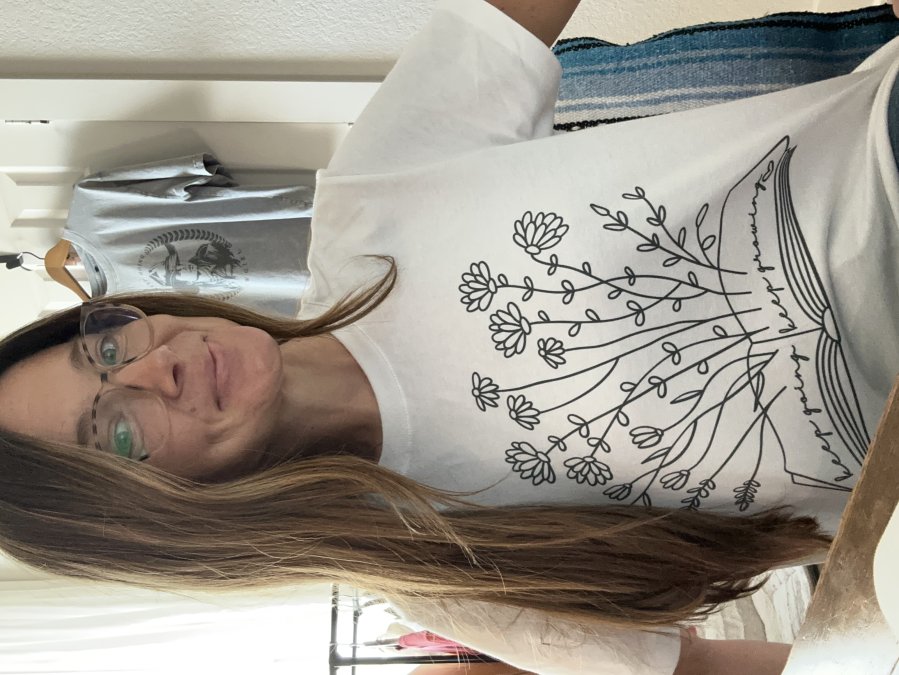
Our Every Child Deserves A Safe Place To Call Home tee from Mom on Mission is made from 100% ring-spun cotton with a garment-dyed finish, the kind of shirt a young person would actually want to wear. When you purchase it, you're funding support for foster youth while wearing a message of advocacy.

Step-by-Step: Building Your Foster Youth Support Shopping Plan
Step 1: Identify What Foster Youth Actually Need
Contact your local foster care agency or nonprofit and ask: What age groups do they serve? What items are in highest demand? Are there specific sizes or styles needed? Do they have a wishlist? What items don't they accept? This fifteen-minute conversation transforms your shopping from guessing to precision.
Common high-need items: underwear and socks (always new), jeans, seasonal clothing, school supplies, toiletries, comfort items, and shoes in current styles.
Step 2: Research Local Organizations and Placement Transition Programs
Find organizations aligned with your values: search "[Your City] foster care nonprofit," verify they're 501(c)(3) nonprofits, read their mission statement, check their social media for current needs, and call to ask questions.
Geary Foster Foundations, which Mom on Mission supports, works specifically with foster youth in Texas with deep roots and real expertise.
Step 3: Shop Intentionally for Essential Supplies and Comfort Items
Make a list based on what the organization requested and stick to it. Consider both essential supplies (socks, underwear, basic clothing) and comfort items (blankets, journals, snacks). Shop at stores offering quality items at reasonable prices, or specialty retailers like Mom on Mission. Set a budget and stick to it; whether $25 or $250, your contribution matters.
Step 4: Partner With Brands That Give Back
When you shop, choose brands that align with your values. Some retailers donate a percentage of sales to foster care organizations. Others produce items specifically designed to support youth in transition.
Mom on Mission is built on this principle. Every purchase funds support for foster youth. When you buy the Every Child Deserves A Safe Place To Call Home tee for $29.99, you're not just getting a quality shirt, you're investing ten percent of that purchase directly into foster care support.
This approach transforms shopping from a neutral transaction into an act of advocacy. You get something you need or want. Foster youth get support. It's aligned incentives.
Look for other brands doing similar work. Some nonprofits have their own online shops. When you shop intentionally, you multiply your impact.
Age-Specific Shopping: Toddlers Through Teens
Different ages need different things. A three-year-old's needs look nothing like a sixteen-year-old's.
Every Child Deserves A Safe Place To Call Home | Comfort Colors →
Toddlers and preschoolers (ages 2-5):
- Durable, washable clothing (spills happen)
- Comfort items like soft blankets or stuffed animals
- Shoes that actually fit (growth happens fast)
- Simple books
- Socks (always in high demand)
School-age children (ages 6-12):
- Clothing that matches what peers wear
- School supplies (backpacks, notebooks, pencils)
- Sports equipment or hobby supplies if you know their interests
- Books or graphic novels they'd actually read
- Practical items like a good water bottle or lunch box
Teens (ages 13-18):
- Current, age-appropriate clothing (this is critical)
- Quality shoes in styles they'll actually wear
- Personal care items (deodorant, face wash, hair products)
- Items that signal you see them as almost-adults (not childish)
- Gift cards (let them choose, dignity matters)
- Practical items for independence (phone charger, backpack, journal)
The biggest mistake adults make is shopping for what they think kids should want instead of what kids actually want. A thirteen-year-old would rather have one pair of trendy jeans than five pairs of practical pants. A ten-year-old wants graphic novels, not picture books. Ask the organization what age groups they serve, then shop for those specific ages.
Organizing a Donation Drive in Your Community
One person shopping helps. A group shopping helps more.
Organize a donation drive at your workplace, school, church, or community center. Here's how:
Step 1: Pick your partner organization. Contact a local foster care nonprofit and ask if they'd accept donations from a drive. They'll likely say yes and may provide guidance on what's needed most.
Step 2: Set clear parameters. Tell people exactly what to donate. "New socks and underwear, clothing in sizes 10-16, school supplies" is clear. "Stuff for foster kids" is vague and results in unusable donations.
Step 3: Create a wishlist. Use a shared document or online wishlist tool. Let people claim specific items so you don't end up with fifty pairs of socks and nothing else.
Step 4: Set a deadline. Give people two to three weeks. Longer than that and momentum dies. Shorter and people feel rushed.
Step 5: Collect and organize. Designate a drop-off location. Check items as they arrive, make sure everything meets the organization's guidelines.
Step 6: Deliver and document. Take photos of the collection. Share the impact with your group. Let people see what their effort created.
A workplace drive of twenty people, each contributing fifty dollars worth of items, creates real change. It also builds awareness. People who participate become advocates. They tell others. The impact spreads.
Mom on Mission exists partly to make this easier. When your group buys from us, you're simultaneously supporting foster youth and getting quality products you'll actually use. It's a drive that benefits everyone involved.
Tax Deductions for In-Kind Shopping Donations
This is the part most people don't think about but should. In-kind donations, actual items instead of money, are tax-deductible if you donate to a qualified nonprofit.
Here's what you need to know:
Qualified organizations: The nonprofit must be a 501(c)(3) tax-exempt organization. Check the IRS website to verify. If it's not listed, the donation isn't deductible.
Documentation matters: Keep receipts for items you purchase. Save a list of what you donated and when. If the organization provides a receipt, keep it.
Fair market value: You deduct the fair market value of items, not what you paid. If you bought jeans for thirty dollars but similar jeans sell for forty dollars at retail, you deduct forty dollars. Be honest about this, the IRS takes it seriously.
Record-keeping: Write down:
- What you donated (specific items, not "clothing")
- The date
- The organization's name
- The fair market value of each item
- Your total deduction
The limit: You can deduct up to 50% of your adjusted gross income in charitable contributions per year. For most people, this isn't a practical limit.
When it matters: If you're donating significant amounts, a hundred dollars or more, the tax deduction becomes real. It reduces your taxable income, which reduces your tax bill.
The IRS has specific rules about charitable deductions. If you're deducting large amounts, consult a tax professional. But for most people, keeping simple records and deducting what you donate is straightforward.
When you donate to Geary Foster Foundations through Mom on Mission, you're supporting a verified nonprofit. That matters for the deduction. It also matters for the impact.
Supporting foster youth through shopping is one of the most direct ways to make a difference. You get to choose items that matter. Young people in transition get dignity, comfort, and a message that someone cares.
Frequently Asked Questions
What do foster youth need most when entering a new placement?
Foster youth typically need essential supplies like clothing that fits their age and style, personal hygiene kits, school supplies, and comfort items such as blankets or journals. During placement transitions, practical items often matter more than luxury goods. Many youth also value items that give them dignity and choice in their appearance. Reaching out to the local child welfare agency or foster family support network helps you understand specific needs in your community.
How can I donate items to foster youth in my community through ethical clothing support?
Start by contacting your local child welfare office, foster family agencies, or nonprofit organizations focused on foster care support. Many accept in-kind donations of new or gently used clothing. When shopping, prioritize brands that align with foster youth advocacy, like those that donate a portion of profits to foster care organizations. This ensures your purchase supports both the immediate donation and the broader mission of youth empowerment and caregiver resources.
Are there brands that donate proceeds to foster care?
Yes. Mom on Mission donates 10% of profits to Geary Foster Foundations, supporting foster youth in Texas. Their 'Every Child Deserves A Safe Place To Call Home' Comfort Colors tee ($29.99) combines quality apparel with direct charitable giving. When you shop with purpose-driven brands, you're providing both material assistance and sustained community support. Many retailers also run seasonal round-up programs where customers can contribute directly to foster care nonprofits at checkout.
What's the difference between new and secondhand donations for foster youth?
New items often carry greater dignity value for foster youth, especially for clothing and personal items. Secondhand donations are valuable for certain categories like books or toys, but many young people in placement transition benefit emotionally from choosing new clothing that feels fresh and personally theirs. Check with your local organization about their preferences. Both approaches support the mission, but understanding the emotional impact helps you give more thoughtfully and respectfully.