

Meaningful Gifts That Support Foster Care
Table of Contents
- Why Meaningful Gifts Matter in Foster Care
- Care Package Ideas for Foster Kids by Age Group
- Comfort Items That Support Transition
- How to Support Foster Families Beyond Gifts
- Foster Parent Appreciation Gifts That Give Back
- Gift Cards and Financial Support Options
- Ethical Gifting: What to Consider
- Conclusion
- Frequently Asked Questions
Last Updated: September 30, 2026
Why Meaningful Gifts Matter in Foster Care
Foster children experience disruption, loss, and uncertainty. A thoughtful gift acknowledges their worth and communicates that someone cares enough to choose something specifically for them. Meaningful gifts that support foster care go beyond toys or generic items, they address emotional needs, provide comfort during transition, and show foster families they're not alone in this journey.
Care Package Ideas for Foster Kids by Age Group
Age-appropriate gifts meet children where they actually are developmentally and emotionally. A toddler needs sensory comfort. A school-age child needs belonging. A teen needs autonomy and respect. Tailoring gifts to age ensures they'll actually be used, loved, and remembered.
Infants and Toddlers (0-3 years)
Infants and toddlers in foster care need sensory items, comfort objects, and tools that support bonding with new caregivers. Soft textures, gentle sounds, and safe exploration items help them feel secure during an already-vulnerable transition.
Focus on:
- Soft, washable blankets in calming colors (essential for comfort and security)
- Board books with bright images and simple stories
- Sensory toys with different textures (crinkle toys, soft blocks, teething rings)
- Soft stuffed animals or loveys that travel with them
- Age-appropriate bath toys that make routines feel fun
- Gentle music or white noise devices for sleep support
School-Age Children (4-12 years)
School-age children benefit from gifts that build confidence, encourage creativity, and create moments of joy during a complex transition. These children are old enough to understand they're in a new situation, so gifts that feel "just for them" matter deeply.
Include:
- Art supplies and sketchbooks (creative expression without judgment)
- Chapter books or graphic novels matched to reading level
- Building sets or craft kits that encourage hands-on creation
- Sports equipment or outdoor gear (balls, jump ropes, sidewalk chalk)
- Journals or guided activity books
- Cozy clothing items like hoodies or socks that feel like a hug
Teens (13-18 years)
Teens in foster care are navigating identity, belonging, and autonomy during already-turbulent years. Gifts should respect their growing independence while acknowledging the emotional weight of their situation. They need items that feel age-appropriate and chosen with their actual interests in mind.
Consider:
- Quality headphones or portable speakers for music and self-soothing
- Skincare or grooming products (self-care sends a message: you matter)
- Journal, sketchbook, or creative outlet supplies
- Gift cards to retailers or streaming services (choice matters to teens)
- Cozy items like quality socks, hoodies, or blankets
- Books, graphic novels, or audiobooks in their interest areas
- Sports or hobby equipment aligned with their passions
Comfort Items That Support Transition
Transition is the hardest part of foster care. A child moves from one home to another, carrying a trash bag of belongings. The emotional toll is immense. Comfort items bridge that gap, they're familiar anchors in unfamiliar spaces.

The most effective comfort items are:
- Soft blankets or weighted blankets (calming for anxious children)
- Pillows or pillowcases in calming colors or patterns
- Stuffed animals or loveys that become trusted companions
- Scented items like lavender sachets (sensory grounding)
- Soft clothing like hoodies or sweatpants
- Books or audiobooks for escape and comfort
- Fidget toys or sensory tools for anxiety management
How to Support Foster Families Beyond Gifts
Gifts are one tool, but foster families need support that extends far beyond objects. The most meaningful gifts that support foster care include practical help, emotional validation, and tangible relief from the constant demands of caregiving.
Practical support includes:
- Meal delivery or grocery gift cards (reducing meal planning burden)
- Babysitting or respite care (giving caregivers a break)
- Laundry service or house cleaning help (freeing up mental bandwidth)
- Gas cards or transportation support (many foster visits require driving)
- School supply donations (uniforms, backpacks, supplies)
- Tuition or educational support for foster youth aging out of care
Emotional support matters equally:
- A simple text: "I see how hard you're working. You're doing great."
- Inviting the foster family to community events (inclusion, not isolation)
- Asking what they actually need instead of assuming
- Following their lead on what the child can handle socially
- Remembering birthdays and milestones
- Listening without judgment when they're overwhelmed
Foster Parent Appreciation Gifts That Give Back
Foster parents deserve recognition that goes beyond gratitude. They need gifts that acknowledge their sacrifice while also supporting the cause they've dedicated themselves to. Gifts that give back create a full circle of support.
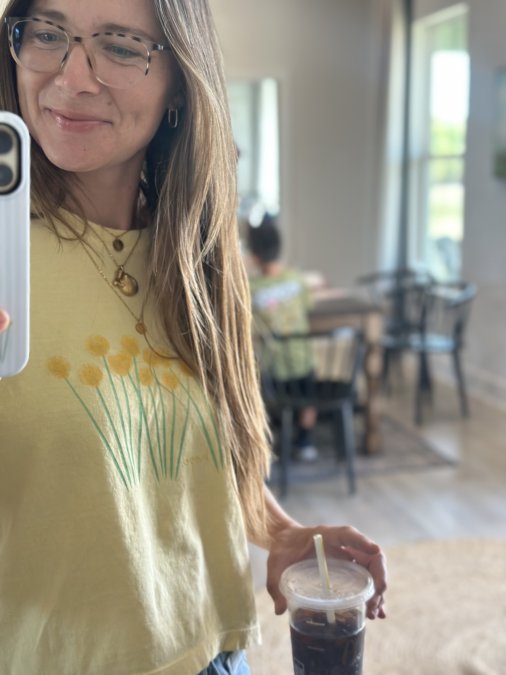
Every Child Deserves A Safe Place To →
Alternative foster parent appreciation gifts include:
- Spa gift certificates or self-care packages (they need to refill their own cup)
- Coffee or tea subscriptions (small daily joy)
- Books on foster care, parenting trauma, or self-care
- Meal delivery services or restaurant gift cards
- Personalized photo books documenting the foster child's journey
- Quality water bottles or travel mugs (practical daily use)
- Handwritten notes from the foster child's community (validation and connection)
Gift Cards and Financial Support Options
Sometimes the most meaningful gift is choice. Gift cards and financial support give foster families and foster youth agency, the ability to select what they actually need rather than receiving someone else's best guess.
Gift cards work because:
- Foster families can choose items aligned with their specific situation
- Foster youth can pick something that reflects their actual interests
- The recipient feels respected and trusted with autonomy
- Financial support reduces stress during an already-stressful time
Gift card amounts to consider:
- $25-$50: Covers a single meaningful item or multiple smaller purchases
- $50-$100: Allows choice across multiple categories
- $100+: Enables a more substantial purchase or combination of items
Financial support beyond gift cards includes:
- Direct donations to foster care organizations (tax-deductible, supports systemic change)
- Sponsoring a foster child's extracurricular activity or camp
- Contributing to a foster youth's education fund
- Paying for specific needs (glasses, dental work, medication, therapy)
- Supporting aging-out programs for youth leaving foster care
Ethical Gifting: What to Consider
Meaningful gifts that support foster care require thoughtfulness beyond the item itself. Ethical gifting means considering the child's dignity, the family's values, and the larger impact of your choice.
Ask yourself these questions before gifting:
- Does this gift respect the child's autonomy and emerging identity?
- Will this item travel with the child if they move homes?
- Am I gifting based on what I think they need, or what they've actually expressed?
- Does this gift feel patronizing or overly charitable?
- Is this something the foster parent can reasonably manage (storage, maintenance, allergies)?
- Does my gift align with the family's values and parenting approach?
- Am I creating an expectation of gratitude or performance?
Avoid:
- Gifts that feel like pity or charity (the child isn't a charity case)
- Items that assume poverty or lack (foster children need respect, not rescue narratives)
- Gifts that override parental authority (check with foster parents first)
- Overly personal items before relationships are established
- Anything that makes the child feel "different" or singled out
- Gifts with strings attached or expectations of gratitude
Conclusion
Meaningful gifts that support foster care extend far beyond the object in the box. They communicate belonging, respect, and genuine care during one of the most vulnerable periods of a child's life. They tell foster families they're not alone.
Frequently Asked Questions
What are the best meaningful gifts for children entering foster care?
The best meaningful gifts for foster children focus on comfort, dignity, and emotional support during transition. Soft comfort items like blankets and sensory toys help children feel safe. Age-appropriate books, journals, and creative supplies support self-expression. Practical essentials such as toiletries and clothing in their size show respect for their needs. Gifts that acknowledge their journey, like personalized items or keepsakes, communicate that they matter. Avoid toys that assume family background or trigger trauma. Consult with the foster parent or caseworker about the child's specific interests and sensitivities to ensure your gift feels genuinely thoughtful rather than generic.
How can I support foster families through gift-giving?
Support foster families by giving gifts that ease their caregiving burden and honor their role. Foster parent appreciation gifts, like self-care items, meal prep tools, or encouraging apparel, acknowledge the emotional labor they do. Gift cards to grocery stores or family retailers give practical flexibility. Consider care packages with household essentials, cleaning supplies, or bedding that reduce financial strain. Digital gifts like subscriptions to meal services or entertainment platforms provide respite. Meaningful apparel from brands that donate to foster causes, like Mom on Mission's Every Child Deserves a Safe Place to Call Home tee, lets foster parents wear their values while supporting the mission. The most impactful gifts recognize both the child's needs and the parent's sacrifice.
What items do foster children need most in a care package?
Foster children need practical essentials combined with comfort items that affirm their worth. Essential supplies include age-appropriate clothing, socks, underwear, and hygiene products (toothbrush, toothpaste, shampoo, lotion). Comfort items like soft blankets, pillows, and plush toys provide emotional security during placement. Sensory items, stress balls, fidget tools, noise-canceling headphones, help children self-regulate. Educational and creative supplies (journals, colored pencils, books) support development and self-expression. Snacks they enjoy offer small moments of joy and autonomy. Avoid items that assume family structure or trigger past trauma. Coordinate with the foster parent or social worker to learn about the child's specific needs, allergies, and emotional triggers so your care package feels personalized and truly supportive rather than presumptive.
How does Mom on Mission support foster youth with its products?
Mom on Mission donates 10% of profits from every purchase to Geary Foster Foundations, which supports foster youth in Texas. This means when you buy meaningful, thoughtfully designed apparel, like the Every Child Deserves a Safe Place to Call Home Comfort Colors tee ($29.99) or the HOME Floral Print Boxy Tee ($29.99), your purchase directly funds foster care initiatives. The brand's mission combines style with service, allowing mothers and supporters to wear their values while contributing to real change. Gift cards ($25.00+) let foster families or supporters choose items that speak to them while ensuring 10% of that purchase goes to the foundation. This model transforms everyday shopping into meaningful support, making it easy to give gifts that align with your values and genuinely help children in foster care.
Foster care is one of the most demanding forms of family service. When you give meaningful gifts that support foster care, whether through direct gifts to children, support for foster families, or purchases that contribute to larger causes, you're saying: "This work matters. You matter." Mom on Mission has made it simple to align your purchases with your values. Choose options that give back and support the foster youth and families in your community.